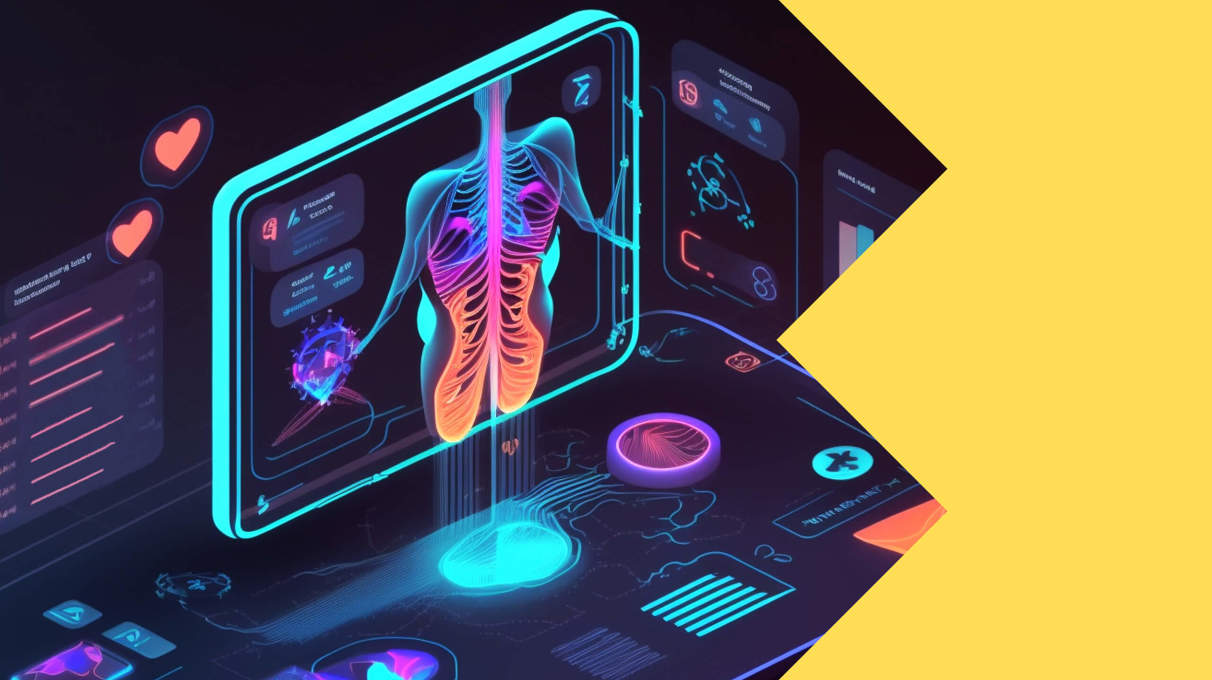

Consumer Digitization – Powering a New Era of Patient Experience
In today’s technology-driven age, healthcare delivery is rapidly evolving. An increasing number of patients rely on online platforms and apps for health-related services, signaling the dawn of a new era of consumer digitization. From booking doctor appointments, accessing vital health information, and participating in virtual consultations to ordering medications, digital platforms are revolutionizing how health services are accessed and received.
The Emergence of Digital Natives
As digital natives—those born or raised in the age of digital technology—become a more significant population proportion, the demand for online health services continues to surge. The modern consumer desires immediate, convenient access to services, and healthcare is no exception to this trend.

Digital technologies are enabling this shift, transforming healthcare from a traditionally reactive, disease-focused model to a more proactive, patient-centered one. Patients are no longer passive recipients of care but active participants in their healthcare journey, empowered by digital technology.
Enhancing Patient Experience
Personalization, efficiency, and effectiveness are at the core of digital healthcare delivery, with the potential to significantly improve patient outcomes, reduce costs, and enhance overall patient experiences. This transformative trend, fueled by advanced technologies such as artificial intelligence (AI), the internet of things (IoT), cloud computing, and data analytics, is moving the industry toward a new paradigm, setting the stage for a promising future.
Data-Driven Digital Health Solutions – Unleashing the Power of Artificial Intelligence and Machine Learning (ML)
The Data Deluge in Healthcare
The rise of digital health technologies such as wearable devices, telemedicine platforms, and health applications are generating unprecedented health data. When harnessed effectively, this voluminous data can unlock a wealth of insights, propelling healthcare into a new era of data-driven digital health solutions.
AI and ML: The Game Changers
Leading technologies like artificial intelligence and machine learning play pivotal roles in analyzing this data. These technologies can rapidly process and interpret vast datasets, providing previously unattainable insights. Predictive analytics, enabled by AI and ML, can identify health risks before they become problematic, allowing timely preventive measures. Personalized medicine, tailored to individual genetic profiles, is now a reality thanks to these technologies. Furthermore, real-time monitoring of chronic conditions has become achievable, paving the way for better disease management and improved patient outcomes.
Interoperability Challenges
Telehealth and remote patient monitoring technologies, accelerated by the pandemic's impact, are increasingly integrated into the interoperable healthcare ecosystem. As they generate a wealth of patient data, the need for interoperability to effectively leverage this data has become more critical than ever. The Office of the National Coordinator for Health Information Technology (ONC) Cures Act, with a compliance deadline of December 31, 2023, mandates that healthcare IT systems must be equipped with Electronic Health Information (EHI) export capabilities accessible through authorized APIs.
Under the ONC Cures Act Final Rule criterion §170.315(b)(10), certified health IT modules are compelled to have the capacity to electronically export all EHI the module itself contains, as well as EHI stored by non-certified components of the same health IT product. This legislative move has been instituted to facilitate better data access and seamless information exchange, key tenets of healthcare interoperability.
However, a significant obstacle to widespread healthcare interoperability is the lack of standardization across healthcare systems. With multiple systems following different data formats, the integration and seamless data exchange become complex. Data privacy and security concerns are also paramount concerns. Ensuring the data is securely transferred and accessed only by authorized individuals requires sophisticated security measures, robust policies, and a strong commitment to maintaining patient confidentiality.
Moreover, the financial and technical burden of transitioning to interoperable systems can be daunting for many healthcare organizations, especially smaller ones with limited resources.
Despite the clear long-term benefits, the immediate costs associated with implementing interoperability tools and infrastructure and training staff to use these new systems can be substantial. This often leads to hesitancy in adoption and slower progress towards full interoperability.
Preventive Approach to Health – Changing the Treatment Paradigm
Changing the Focus
Healthcare is experiencing a fundamental shift in its approach to patient care—from treating illnesses as they occur to preventing them in the first place. This preventive approach emphasizes regular check-ups, screenings, healthy lifestyle choices, and early detection. 'Whole Health' term is rapidly gaining prominence in modern healthcare discussions. It transcends the traditional notion of health as merely an absence of disease and views health holistically, recognizing it as a complex interplay of physical, mental, and social aspects.

The Impact of Prevention
Preventive healthcare is about being proactive rather than reactive. By identifying potential health issues early, healthcare providers can mitigate the risk of disease progression and complications, improving long-term patient outcomes. Additionally, preventive healthcare can be cost-effective, reducing the financial burden on patients and healthcare systems.
Technologies like wearables and health apps are now essential in preventive healthcare. They provide real-time health data, facilitating early intervention and disease prevention.
Personalized, Comprehensive Care
Whole health strongly emphasizes personalized care, tailoring treatments to individuals and their unique circumstances. For example, rather than simply prescribing medication for high blood pressure, a doctor might also examine the patient's diet, exercise habits, stress levels, and social environment. This comprehensive approach can lead to more effective and sustainable health outcomes.
The Future of Healthcare is Here
The digital transformation of healthcare is already happening. The convergence of consumer digitization, data-driven digital health solutions, preventive approaches, and the concept of whole health is creating a complex, interconnected healthcare ecosystem. Healthcare players globally are prioritizing digital-first primary care, including the concept of 'Hospitals at Home'—which leverages digital health tools to provide acute-level care in a patient's own home—is gaining momentum. According to Gartner®, “By 2026, 15% of first-contact care delivery will shift from emergency departments to patient homes.”
As a digital consulting company deeply invested in this transformation, DataArt remains committed to leveraging advanced technologies and innovative design approaches to make healthcare more proactive, patient-centric, and wellness-oriented.
Join us on this transformative journey toward a healthier and more inclusive future in healthcare! Together, we can achieve a seamless blend of innovative technology and human-centric care. Partner with us today, and we’ll help you build technology that keeps you on the leading edge in the healthcare industry.
Gartner®, Predicts 2023: Changing How Healthcare Provider Services and Operations Are Delivered, By Barry Runyon, Sharon Hakkennes, Gregg Pessin, Published 5 December 2022
GARTNER is a registered trademark and service mark of Gartner, Inc. and/or its affiliates in the U.S. and internationally and is used herein with permission. All rights reserved.