













By using our site, you acknowledge that you have read and understand our Privacy and Cookie Policy.
All trademarks listed on this website are the property of their respective owners. All rights reserved.
Copyright © 2026 DataArt

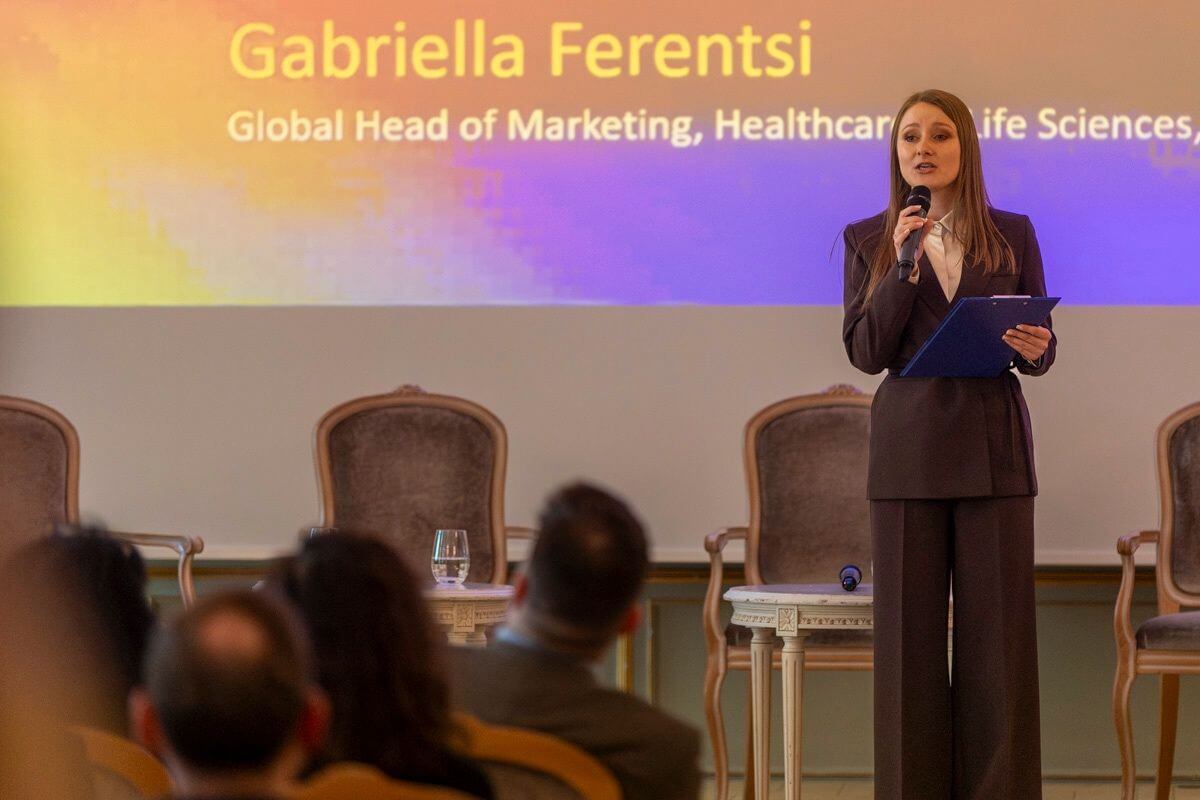
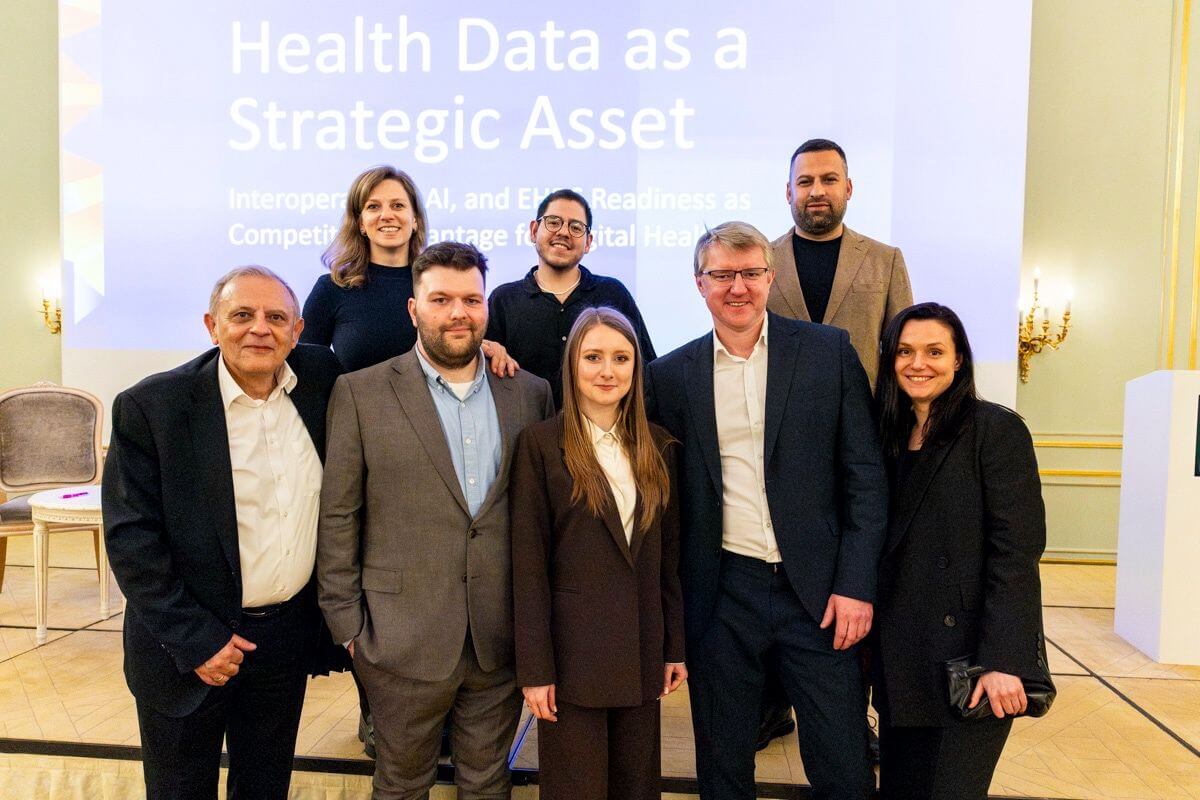
Amid the evolving regulatory landscape across Europe, data is increasingly being discussed as one of the region’s most valuable and sought-after strategic assets. On April 21st, 2026, DataArt, together with Amazon Web Services (AWS), convened senior leaders from the Digital Health, MedTech, and Pharma sectors for an exclusive DMEA side event. The highlight of the evening was a panel discussion exploring how regulatory momentum and technological complexity can be turned into a competitive advantage.
The list of speakers included:
In this article we summarized key insights from their discussion.

Health data is no longer a compliance afterthought or administrative burden. As the European Health Data Space (EHDS) evolves into a regulatory framework, the data is transforming into a recognized enterprise asset with the potential to empower new products, partnerships, and health outcomes. Forward-looking organizations now recognize that value isn’t unlocked by standards alone, but by trust-building, robust infrastructure, and actionable governance.
The EHDS creates a clear split between data holders (those generating and managing health information) and data consumers (AI developers, research organizations, and patient-facing apps). With real operational and governance obligations emerging, the pressure is on: organizations must clarify their status, understand new workflows, and re-examine their approach to compliance and innovation.
Investments in interoperable digital records (e.g., ePA, ISiK) and research data standards (FHIR, SNOMED) are building the technical groundwork. Yet progress relies not only on technology, but pragmatic approach to migration, governance, and “readiness”, from leadership to IT.
EHDS also signals a paradigm shift: any entity with the right capabilities can now become a data consumer. This is a foundation for a new digital health economy, where value comes from securely unlocking and analyzing standardized data at scale.
Whether for research, AI, or patient services, organizational capabilities must mature, embracing modern platforms, cloud infrastructure, and secure environments. Early adopters are already experimenting with new business models (like data aggregation and patient-centric applications), while tech-forward organizations explore monetization and data-driven partnerships.
Interoperability mandates are not new. Across the globe, ambitious government programs have aimed to standardize health data - with mixed results. As Europe accelerates with EHDS, several lessons stand out:
Market experience shows that organizations embracing flexible, modern data architectures are benefiting most, especially as leading tech platforms now support FHIR integration and advanced analytics securely in the cloud.
Secondary use of health data (for research, AI, pharmacovigilance, and more) represents one of EHDS’s strongest value propositions. Achieving this, however, hinges on effective data governance and sovereignty. Balancing strict European data protection with rapid AI innovation is a strategic challenge.
Organizational leaders are realizing that investments in data quality, policy-aligned governance, and federated learning platforms are not just enablers - they are prerequisites for market access and sustainable innovation. Sovereign infrastructure options (like AWS's EU Sovereign Cloud) now offer new avenues to comply with residency requirements while unlocking technical agility.

Looking ahead, success for digital health in Europe will be defined not only by regulatory compliance, but by tangible outcomes, such as:
Europe’s digital health transformation is at a tipping point. Health data is now viewed as both a regulatory priority and a strategic launchpad for innovation and new business models. Those who act early - by investing in interoperability, AI readiness, and modern governance - will define the competitive landscape for the decade ahead.
Contact DataArt today to learn how to turn your health data into a strategic asset and get ahead of the competition.
Subscribe now to get a monthly recap of our biggest news delivered to your inbox!




These cookies are necessary for the website to function and cannot be switched off in our systems. They are usually only set in response to actions made by you which amount to a request for services, such as setting your privacy preferences, logging in or filling in forms. You can set your browser to block or alert you about these cookies, but some parts of the site will not then work. These cookies do not store any personally identifiable information.
These cookies enable the website to provide enhanced functionality and personalisation. They may be set by us or by third party providers whose services we have added to our pages. If you do not allow these cookies then some or all of these services may not function properly.
These cookies may be set through our site by our advertising partners. They may be used by those companies to build a profile of your interests and show you relevant adverts on other sites. They do not store directly personal information, but are based on uniquely identifying your browser and internet device. If you do not allow these cookies, you will experience less targeted advertising.
These cookies allow us to count visits and traffic sources so we can measure and improve the performance of our site. They help us to know which pages are the most and least popular and see how visitors move around the site. All information these cookies collect is aggregated and therefore anonymous. If you do not allow these cookies we will not know when you have visited our site, and will not be able to monitor its performance.

All Consent Allowed