Por favor, deja tus datos y te contactaremos a la brevedad.
Client
The client is a prominent sports betting provider that operates in the USA, UK, Australia, Germany, and elsewhere. In addition to sports betting, the client manages an established portfolio that includes casinos, poker, and arcades, requiring robust infrastructure migration strategies to adapt to regional requirements.
Business Challenge
The client faced the regulatory complexities in the U.S. as local laws and gambling regulations vary from state to state. So the client needed to deploy state-specific compliant solutions of their sportsbook platform with 100+ components to data centers in various geolocations. They also needed to ensure compliance with local laws concerning platform access from other areas.
Meeting the Challenge
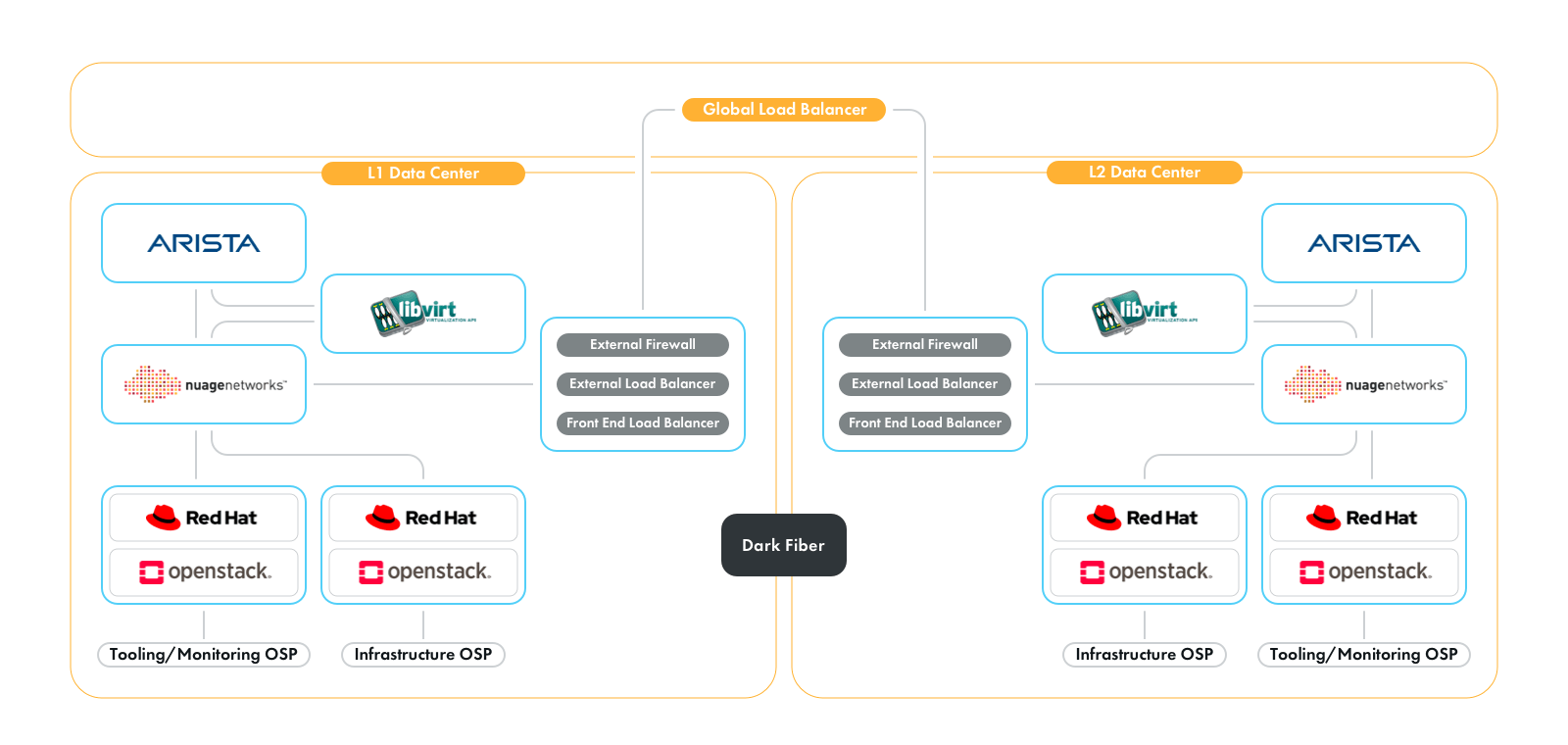
Our DevOps team configured infrastructure for multiple OpenStack and AWS instances and executed the infrastructure migration of the sportsbook platform to data centers located in over ten states of America. We also deployed environments for third-party certification regulators for approving and validating infrastructure versions according to the laws of each state.
We were responsible for:
- Troubleshooting deployments from a connectivity perspective to the third-party APIs and other internal endpoints
- Validating environments and deploying regulator approved versions
- Resizing environments for performance tests to enhance data analytics in sports
- Creating required database schemas, and more
Infrastructure as Code
The DataArt team implemented the Infrastructure as Code approach (IaC) to significantly reduce the time needed to create a new infrastructure clone. Due to this approach, all the jobs, pipelines, computations, storage and network elements required per component are defined in a declarative manner in a small set of YAML files.
This approach also helps increase maintainability and security of the software. Since all changes are made through the code, no one can compromise the integrity of the source code, delete or add components by accident. Moreover, the development team can set up an additional environment like staging or production in several minutes if needed.
Continuous Integration, Continuous Delivery, and Deployment
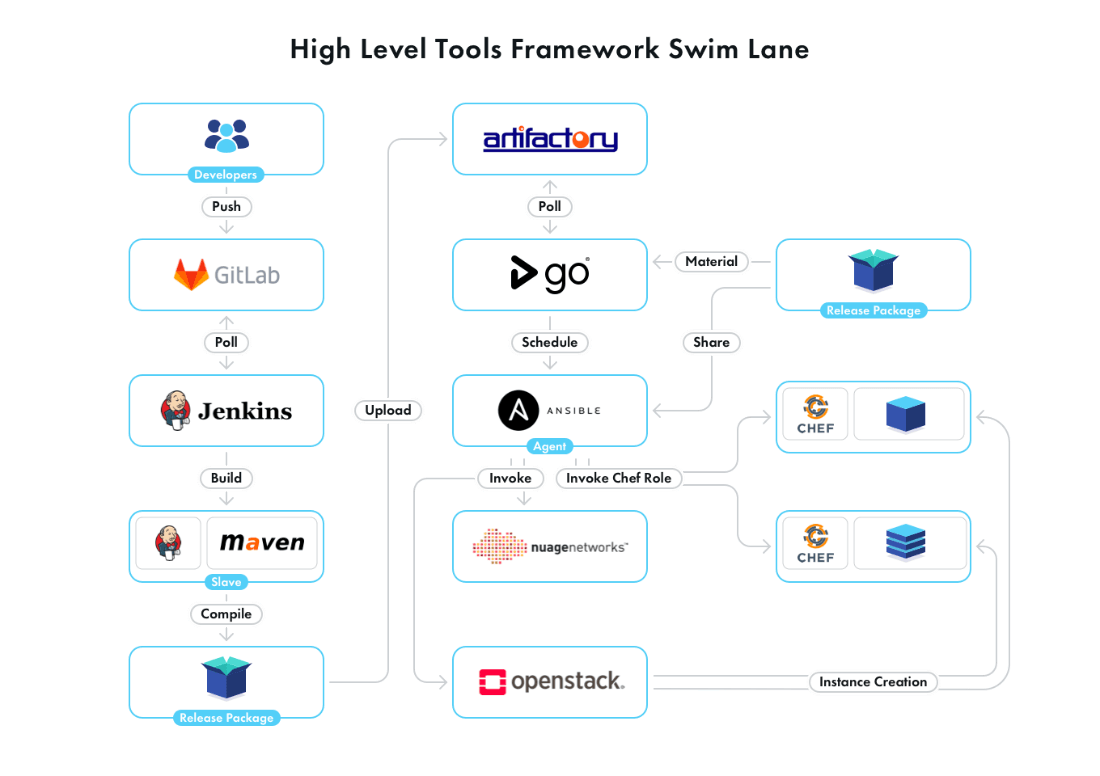
Our team built CI/CD pipelines for promoting component versions from different environments to all states using a custom framework built by the client’s in-house team. This framework was capable of deploying software to OpenStack Private Cloud hosted in both on-premises DC and AWS.
Continuous integration provides the ability to detect and resolve issues fast and early, so the client can spend more time building valuable features for bettors. With continuous delivery, bug fixes, configuration changes, and new feature releases come to the bettors’ hands quickly and more frequently. And continuous deployment has helped free up the client’s in-house team to focus on high-level tasks.
Technology
OpenStack Private Cloud
OpenStack Private Cloud
OpenStack Private Cloud
GoCD
Jenkins
Jfrog Artifactory
HashiCorp Vault
Chef
Ansible
Vagrant
GitLab
GitHub
VirtualBox
Docker



